Restored divination classics, in print
Library and bookseller orders for the hardback travel through Ingram Content Group's print-on-demand network. ALS Library Services carries the title in its new-title data for library promotion. Rights enquiries are welcome. So are enquiries from authors and translators whose work fits the editorial line — a restored text, a method carried whole, a tradition carried carefully.
Or write directly: [email protected]
Vizcroft Publishing restores divination texts to print. Each edition is rebuilt from its original sources — translated, annotated and honestly sourced — so that a reader today can read what the text actually says.
We publish the texts we could not find.
Vizcroft Publishing is an independent publisher in Adelaide, South Australia, founded in 2026. We publish the Grand Orient Library — a catalogue of the world's divination systems restored from their original sources — together with practical works that carry those traditions into daily use.
We are small by design. Every title passes through the same door: find the oldest sources worth trusting, translate or restore them in full, annotate honestly, and set the result to be read. Where sources disagree, we say so. Where a text is lost, we say that too.
The series takes its name from a name A. E. Waite used once. His 1909 manual of cartomancy was published "by Grand Orient" — a pseudonym, not a press: one book wore the name, and no publishing house stood behind it. More than a century later, the name has been given the body it lacked: a catalogue, an editorial line, and books in print.
Each volume in the library follows the same standard: the sources are declared and nothing is invented. A poem is printed entire or not at all; a method is described as its own century described it, with the losses marked; and every claim in an edition can be traced back to the text it came from.
A title begins in the archives, not in the market: a text is chosen because the oldest version of it deserves readers, and the work proceeds through translation, restoration and annotation until the edition stands on its own. The house works with the tools of its own century — research, drafting and production are assisted by computational methods, including AI, under the editor's direction, and no text is set until it has been checked against its declared sources.
What we publish is chosen, verified and answered for here.
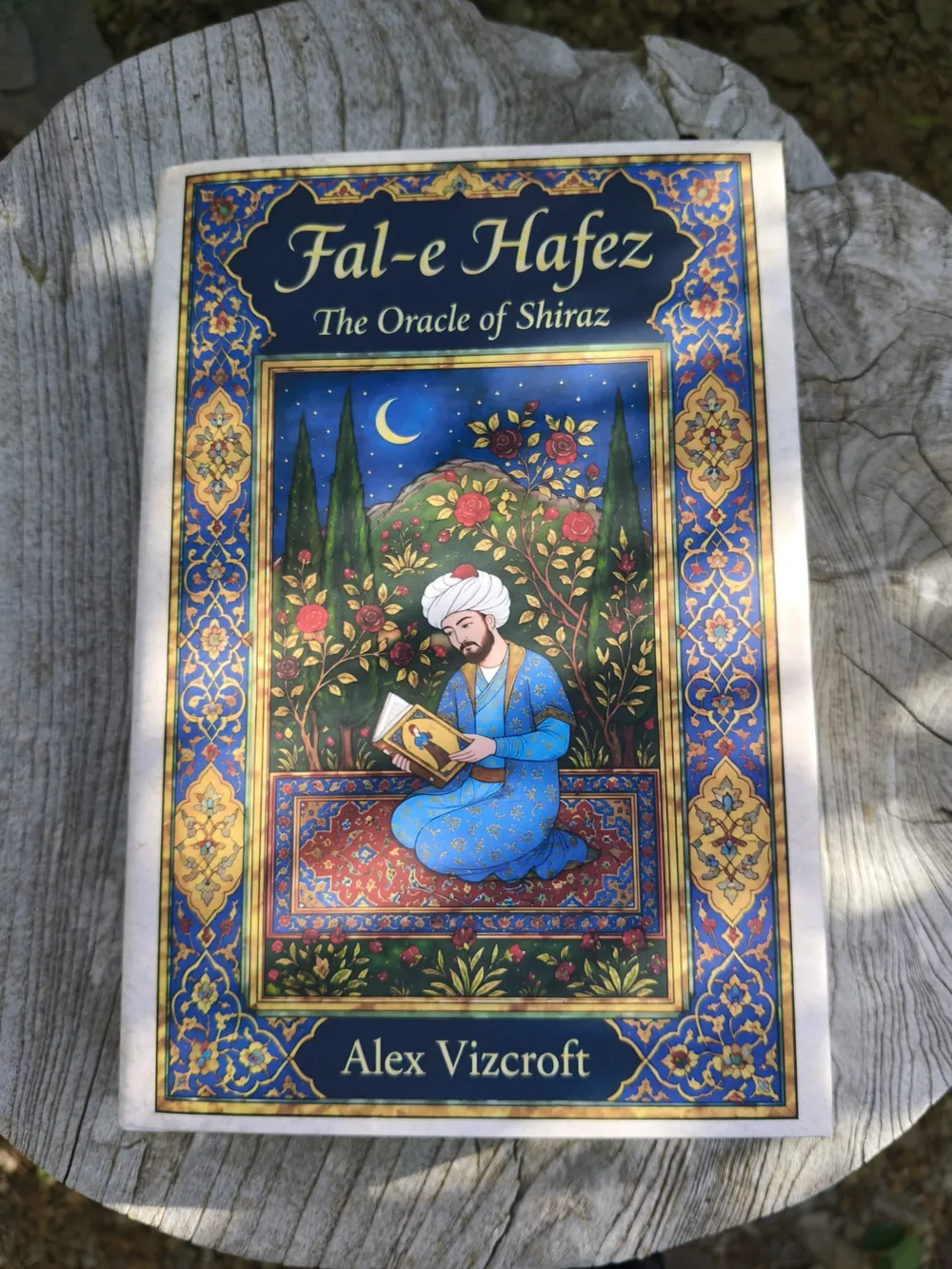
The Divan of Hafez complete — all 495 ghazals in Persian with the house's modern English translation — together with the fāl, the bibliomancy of drawing a poem at random that has been practised with the Divan for centuries.
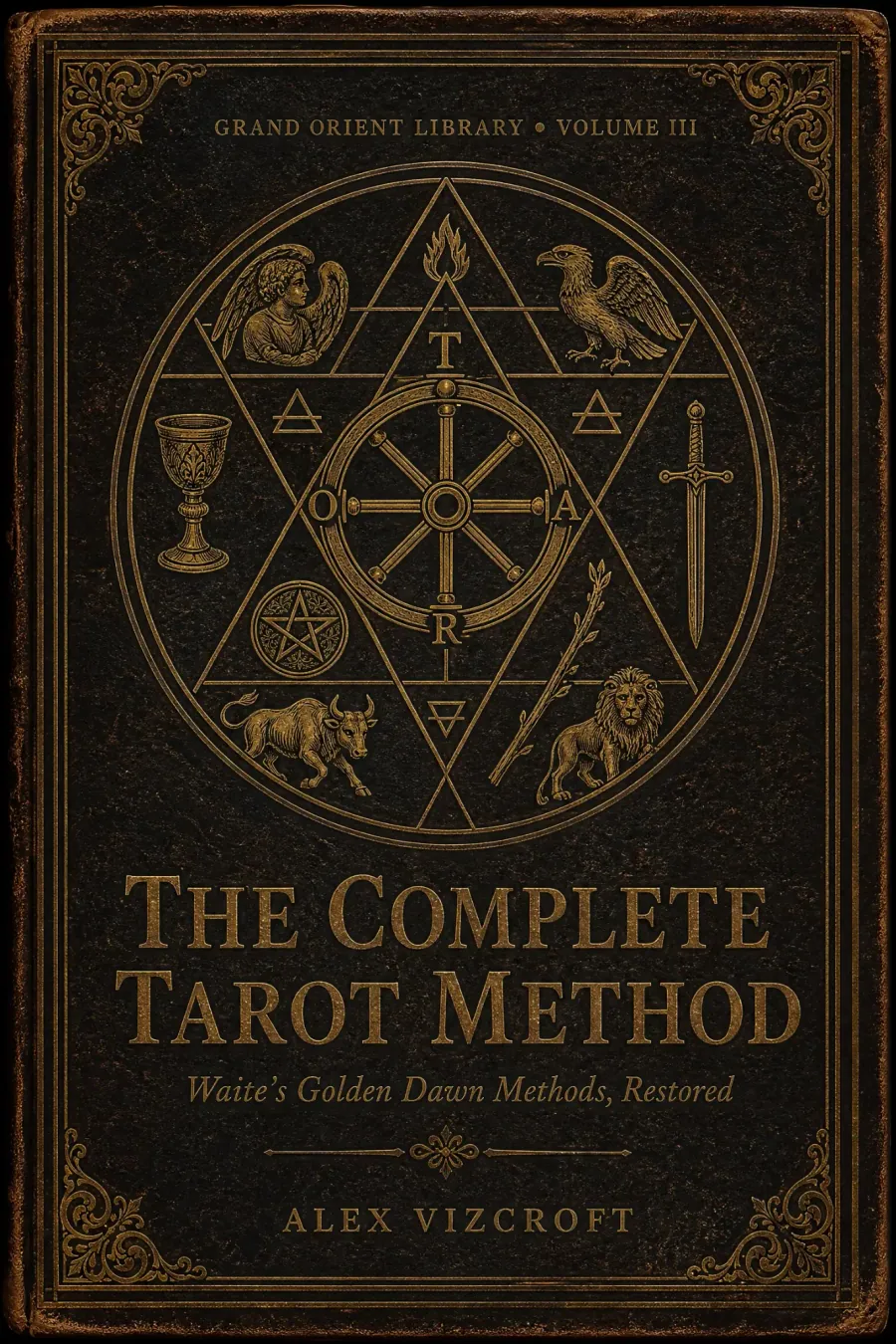
The seventy-eight cards of the tarot, taught from the historical deck outward: what each card showed when it was cut, and how a reader works with it today.
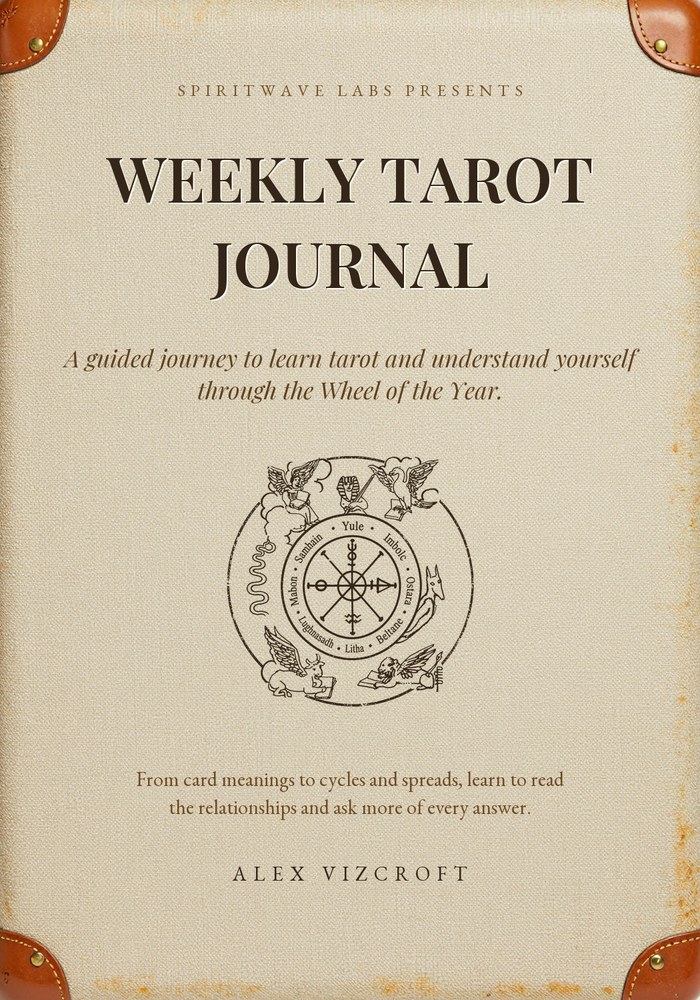
A guided journal that teaches the tarot through use: one draw a week, framed by the eight stations of the Wheel of the Year, with the week's Rider-Waite-Smith card, its meanings, a question, a page to record what happened, and eight seasonal plates to colour.